Sutton High Street House Removals Guide for Narrow Access
If you are moving on or near Sutton High Street, narrow access can turn a straightforward house move into a bit of a puzzle. Tight stairwells, parked cars, awkward corners, shared entrances and limited loading space all slow things down if you do not plan ahead. This Sutton High Street house removals guide for narrow access walks you through what matters, how to prepare, and how to avoid the kind of problems that make moving day feel longer than it should. The good news? With the right setup, a careful route plan and the right removal support, even a tricky property can be managed calmly.
In practice, narrow-access moves are less about brute force and more about planning. You want the right vehicle, the right carrying method, the right packing approach and, just as importantly, a realistic schedule. Let's face it, nobody enjoys watching a sofa get stuck at a stair turn at 8:15 in the morning. This guide is designed to help you avoid that kind of scene.
Why Sutton High Street narrow access matters
Narrow access changes the whole shape of a house removal. On a normal job, the team can often bring items out in a steady rhythm and load them quickly. On a narrow street or in a property with tight internal access, every item needs more care. The route from front door to vehicle matters. The angle of a wardrobe matters. Even the order in which you load furniture can matter.
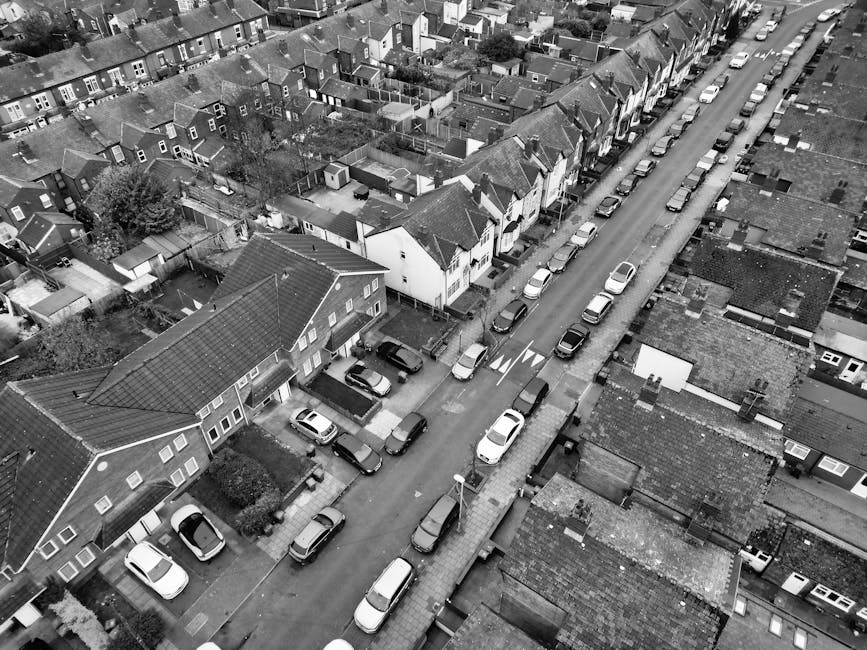
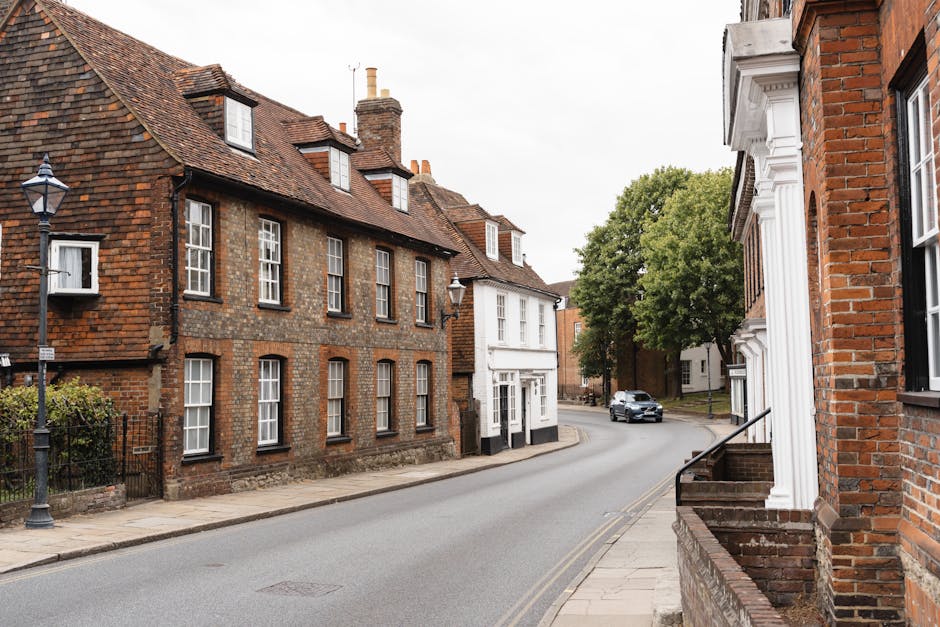
Sutton High Street itself can present the usual town-centre challenges: traffic, pedestrian flow, delivery vehicles, small side roads and the simple reality that some properties were not built with modern moving vans in mind. If you are dealing with a terraced home, a flat above a shop, an older conversion or a house with a steep entry path, you will already know the feeling. You look at the space and think, "That'll be tight." Usually, you are right.
The biggest reason this matters is risk. Risk of damage to furniture, walls, bannisters, flooring and door frames. Risk of delay. Risk of extra labour if the team has to shuttle items by hand over a longer distance. Risk of stress, really. A narrow access move is not difficult because it is impossible; it is difficult because it punishes poor planning.
It also affects cost and timing. A move with a long carry or limited parking may need more time, a smaller vehicle, or additional crew support. That does not mean it has to be expensive, but it does mean a quote should be based on the actual access conditions rather than a quick guess. If you want a clearer cost picture, it can help to review pricing and quotes before you book.
How Sutton High Street narrow access works
The basic process is simple: assess the access, plan the vehicle position, protect the property, carry items safely and load them in the right order. The detail is where success lives. On a narrow-access move, an experienced team will usually start by checking how people, furniture and vehicles can move through the space without bottlenecks.
That usually means looking at:
- door width and internal turns
- staircase shape and ceiling height
- street parking and loading options
- distance between the property and the van or truck
- whether large items need partial dismantling
- any lift, ramp or shared entrance issues
From there, the move is broken into manageable stages. Smaller items may go first so the larger furniture can move through with less clutter around. Protective covers, blankets and floor protection are often used to reduce scuffs and knocks. A well-run team will also keep the loading order practical, so they do not end up burying fragile items under the heaviest boxes.
If you are considering different transport options, it is worth comparing whether a smaller vehicle or a larger removal truck fits the street and the job better. A compact option may be easier to position on a tight road, while a larger vehicle may reduce trips if there is room to load safely. For some moves, man and van support is a good fit. For others, a dedicated moving truck makes more sense.
One thing people sometimes forget: access is not just the outside street. A move can be "narrow access" inside the property too. A staircase with a sharp turn or a landing that narrows halfway up can be just as awkward as a tight road outside. Truth be told, that is where the careful measuring really pays off.
Key benefits and practical advantages
When narrow access is handled properly, the benefits are immediate. The move feels more controlled, fewer things go wrong, and your belongings arrive in better condition. The move may still be busy. It will still involve some noise and some lifting. But it does not have to feel chaotic.
- Less damage risk: planned routes and correct lifting reduce knocks, scrapes and crushed corners.
- Fewer delays: measured access means the team can work to a realistic timetable.
- Better use of labour: the right number of movers prevents unnecessary back-and-forth.
- Improved parking strategy: a suitable vehicle and loading position reduce carry distance.
- More predictable costs: clear access information makes quoting more accurate.
There is also a quieter benefit: peace of mind. Moving is already emotionally loaded. Boxes everywhere, keys to hand, messages flying around, the kettle disappearing into a box labelled "misc." When the access plan is sorted early, there is one less thing to worry about.
For homeowners who want to keep the move as streamlined as possible, it can be useful to combine access planning with proper packing support. Services such as packing and boxes or packing and unpacking services can save time and reduce the number of loose, awkward items that slow things down in tight spaces.
Who this is for and when it makes sense
This guide is for anyone moving home from a property where access is not generous. That includes terraced houses, maisonettes, converted flats, top-floor apartments, older buildings, homes with narrow front paths, and properties where parking is a bit of a battle. It is also useful if you are moving in bad weather, because wet steps and slippery pavement edges make careful handling even more important.
You will especially benefit from this approach if any of these sound familiar:
- your sofa barely fits through the doorway now
- the road outside is busy or heavily parked
- there is a long walk from the vehicle to the entrance
- you have large furniture that may need dismantling
- you are moving on a day with school traffic, market traffic or commuter traffic nearby
- you need the move completed within a short time window
Narrow access also matters for smaller moves where speed and efficiency are the priority. For example, a one-bedroom flat above a parade of shops may seem modest in size, but if parking is limited and the staircase is tight, the job can be more complex than a larger home with open access. That is one reason people sometimes choose flat removals support instead of assuming a standard house move will do.
If you are a student, moving from a compact property near the station or town centre, the same principles apply. Smaller homes can still have awkward entrances. A useful fallback for smaller loads is student removals, especially when the move needs to happen quickly and neatly.
Step-by-step guidance
Here is the practical version. No fluff, just the sequence that usually works best.
- Measure the problem areas. Check door widths, stair turns, hallway corners and any external gate or path restrictions. If a wardrobe has to pivot around a landing, measure that landing too.
- Assess parking and stopping distance. Look at where the vehicle can safely wait, whether there are yellow lines, and how far items would need to be carried.
- Decide what needs dismantling. Beds, wardrobes and some dining furniture are often easier and safer in sections. It is much better to do this before moving day than halfway through a doorway.
- Pack for handling, not just storage. Use solid boxes, fill gaps so items do not shift, and avoid overpacking. A heavy box is not a clever box. It is just a risky one.
- Protect the route. Lay down floor protection where appropriate and keep blankets or covers handy for furniture edges.
- Agree the loading order. Load items that are awkward or fragile in a sequence that avoids rehandling. Usually, the bulky items go first, but the exact order should suit the property and the truck space.
- Keep essential access clear. One clear route for carriers helps a lot. Shoes, plant pots, bins and loose cables may seem harmless until the staircase narrows.
- Leave a small buffer in the schedule. Narrow access rarely rewards a tight timetable. Build in breathing room, even if only a little.
A realistic move-day example: you arrive at a Sutton High Street property at 8:00 a.m. The road is already active, so the van is parked in the nearest safe position. The team walks the route once, checks the turn at the bottom stair, and dismantles the bed frame before anything else leaves the property. That one small decision usually saves a lot of muttering later.
If the move is especially tight, you may want to use a smaller vehicle for the first stage and transfer items to a larger unit later. In some cases, removal van support or man with van transport can be the more practical option than sending in a truck that cannot get close enough.
Expert tips for better results
In our experience, the best narrow-access moves are won before the first box is lifted. The small decisions matter more than people expect.
- Photograph tight areas in advance. A few clear images of the hallway, stairwell, entrance and parking position can help with planning.
- Keep a tool kit ready. Allen keys, screwdrivers, tape, zip bags for fixings and a marker pen are the little things that save the day.
- Label by destination and priority. A box marked "kitchen" is fine. A box marked "kitchen - open first" is better.
- Split fragile items away from heavy items. Do not force them into the same box just to finish the tape roll.
- Pre-clear the route the night before. If possible, move bikes, recycling bins, shoes and clutter out of the way before the crew arrives.
- Communicate the worst access point first. If there is one awkward turn or one steep step, tell the team about that right away.
Another useful tip: think about the weather. Rain on a narrow front path is inconvenient; rain on a narrow front path while carrying a mattress is a different level of annoying. A bit of towel protection and some patience go a long way.
If you have high-value or particularly delicate furniture, it can be worth checking insurance and safety information and making sure your mover's working practices are clear before the day. That is not paranoia. It is just sensible.
Common mistakes to avoid
Narrow-access moves tend to go wrong in predictable ways. The good news is that most of them are avoidable.
- Underestimating the carry distance. A vehicle parked "nearby" can still mean a long, tiring walk with every item.
- Forgetting internal bottlenecks. The hallway may be fine, but the staircase may not be.
- Leaving dismantling until the last minute. That usually creates pressure and a bit of chaos.
- Using boxes that are too large. Oversized boxes are awkward on stair turns and more likely to burst.
- Not checking furniture dimensions against the route. It is amazing how many people measure the bed but not the bend in the stairs.
- Assuming parking will sort itself out. On a busy high street, assumption is a costly habit.
One common mistake deserves its own line:
Do not leave the access survey to guesswork.
Even a quick walk-through can reveal a lot. A narrow gate, a low ceiling, a tight corner by the banister, or a pavement hump outside the door can change the whole moving plan. It is a small bit of effort that usually pays for itself.
Tools, resources and recommendations
You do not need a van full of specialised gear for every move, but a few practical tools make a genuine difference.
| Tool or resource | Why it helps | Best used for |
|---|---|---|
| Measuring tape | Checks doorways, turns and furniture fit | Before booking and before dismantling |
| Furniture blankets | Protects surfaces from knocks and scuffs | Large furniture and tight stairwells |
| Floor protection | Reduces the chance of dirty marks and scratches | Hallways, landings and entrance routes |
| Tool kit | Makes dismantling faster and tidier | Beds, tables, wardrobes |
| Strong packing tape | Keeps boxes secure during carrying | General packing and fragile items |
| Storage option | Helps when access and timing do not line up perfectly | Staging between move dates |
For some households, storage is the hidden problem solver. If you are moving out before the new place is ready, or if a tight access issue means you need to move in stages, storage can prevent a rushed or compromised move. That is especially useful when furniture needs to be held safely for a short period rather than squeezed into an already crowded schedule.
If you want the move handled by specialists who understand the quirks of local residential access, it can also help to look at house removals and broader house removalists support. For smaller or more flexible jobs, man with a van can be a straightforward choice. Different moves, different tools. That is the honest version.
Law, compliance and best practice
For most household moves, the main concerns are practical rather than legal. Still, there are standards and best practices worth taking seriously. Safe lifting, sensible vehicle positioning, careful loading and property protection are not optional extras. They are what a professional move should look like.
In the UK, removal work is generally expected to follow sensible health and safety practices, including manual handling awareness and safe working around vehicles and access routes. You do not need to become an expert in the rulebook, but you should expect your movers to take safety seriously. If they are rushing blind through tight stairwells without protection, that is not confidence-inspiring.
For residents in busy town-centre settings, it is also wise to respect local parking and loading restrictions. Exact rules can vary, so the practical approach is to plan around what is actually permitted and what is physically safe. No need for drama. Just keep it legal, sensible and calm.
It is also reasonable to look for clear terms, payment handling and complaints procedures before booking. A reputable mover should make this straightforward. If you want to check the company's general policies, pages like terms and conditions, payment and security and complaints procedure are worth reviewing in advance.
Options, methods, or comparison table
Not every narrow-access move needs the same setup. Here is a practical comparison to help you think through the options.
| Approach | Best for | Pros | Trade-offs |
|---|---|---|---|
| Full house removal team | Larger homes with awkward access | More manpower, structured handling, efficient loading | Usually costs more than a smaller setup |
| Man and van | Smaller homes, flats, flexible moves | Compact vehicle, often easier on narrow roads | May need multiple trips for larger loads |
| Smaller removal van | Very tight streets or limited stopping space | Better access, easier parking | Less load capacity |
| Combined storage and move | Staged moves or timing gaps | Reduces pressure, handles schedule mismatch | Needs extra planning |
The right choice depends on access, volume and timing. A family home with several bulky pieces might suit a full team. A one-bed flat with a difficult staircase may work better with a more compact vehicle. There is no magic answer here, and anyone pretending there is probably has not lifted a wardrobe down a landing in a hurry.
Case study or real-world example
Here is a realistic scenario. A couple moving from a top-floor Sutton High Street property had a narrow stairwell, a tight front entrance and very limited parking outside. Their biggest concerns were a three-piece sofa, a king-size bed and a glass dining table. On paper, nothing impossible. In reality, the route was fiddly.
Before moving day, they measured the doorway widths, sent photos of the stair turns and asked for a vehicle that could stop as close as possible without blocking traffic. The bed frame was dismantled the night before. Fragile items were packed in smaller boxes, not oversized ones. The team arrived early, protected the hallway and carried the sofa with a two-person lift. There was a short wait while a delivery vehicle moved off the road, but because the plan already allowed for that, the day stayed calm.
The biggest win was not speed. It was control. There were no scrapes on the walls, no panicked reshuffling of boxes and no awkward "we should have checked that" moment. That is what good narrow-access planning looks like in real life. A bit slower, a bit more thoughtful, and much less stressful.
Practical checklist
Use this checklist the day before and again on the morning of the move.
- Measure doorways, stair turns and key furniture pieces
- Confirm parking and loading space near the property
- Tell the removal team about any steep steps, narrow hallways or low ceilings
- Dismantle beds and other large items where needed
- Pack fragile items in smaller, stronger boxes
- Label boxes clearly by room and priority
- Protect floors, bannisters and door edges
- Keep essential paths clear inside and outside the property
- Have keys, phone chargers and documents to hand
- Allow extra time for traffic, parking or access delays
If you are dealing with a tighter schedule or a last-minute handover, it may also be sensible to ask about same-day removals. Not every move can be fast-tracked, but when it can, it is useful to know.
Conclusion
A Sutton High Street house move with narrow access does not have to be a nightmare. It just needs more planning than a standard move. Measure carefully, choose the right vehicle, pack with handling in mind, and make the access route as clear as possible. Do that, and you remove most of the friction before moving day even starts.
The real secret is this: narrow access is manageable when you treat it as a planning problem, not a lifting contest. That mindset alone saves time, reduces damage and makes the whole thing feel less frantic. And if you have ever tried to turn a mattress on a tight stairwell, you already know why that matters.
Get a free quote today and see how much you can save.
For a calm, better-organised move, it also helps to work with experienced removal services that understand tight access, local streets and the small details that make a big difference. A good move leaves you tired, sure, but not frazzled. That is the aim.
Frequently Asked Questions
What counts as narrow access for a house removal?
Narrow access usually means the route from the property to the vehicle is tight, awkward or limited in some way. That might be a narrow front path, a steep stairwell, a small doorway, a long carry to the van or limited parking close to the house.
How do I know if my furniture will fit through the staircase?
Measure the widest points of the item and compare them with the narrowest point in the route, including turns and landings. A sofa or wardrobe may fit through a straight hallway but still fail at a stair corner, so check the full path rather than just the doorway.
Is a man and van suitable for Sutton High Street narrow-access moves?
Often, yes, especially for smaller loads or properties where parking is tight. A compact vehicle can be easier to position on busy streets. For larger households, though, a bigger team or truck may be more efficient. It depends on the volume and the access conditions.
Should I dismantle furniture before moving day?
Usually, yes, if there is any chance it will be awkward in the doorway, hallway or staircase. Beds, large wardrobes and bulky tables are common candidates. Dismantling early reduces pressure and makes the move safer.
What should I tell the removal company before the move?
Give them honest details about the access route: stairs, turns, parking, lift access, long carries, narrow doors and any awkward furniture. Photos help too. The more accurate the information, the better the planning.
Does narrow access make a move more expensive?
It can, because it may take more time or require more labour. That said, not every narrow-access move is costly. Smaller vehicles, good planning and clear access details can help keep the job efficient and the quote realistic.
Can I use storage if my new home is not ready yet?
Yes. Storage can be a very practical option if the move dates do not line up or if narrow access means you need to move things in stages. It can reduce stress and stop you from rushing everything into a poor setup.
How early should I book a narrow-access move?
As early as you can, especially if the property is on a busy street or the access is likely to slow things down. Early booking gives time to assess parking, plan the vehicle and sort any dismantling or packing needs in advance.
What happens if the van cannot park right outside the property?
The team may need to use a longer carry route or a different stopping point nearby. That is one reason it is important to plan access in advance. A long carry is manageable, but it should be built into the move plan rather than discovered on the day.
Are there special safety concerns with narrow staircases?
Yes. Narrow staircases increase the chance of bumps, slips and awkward lifting positions. Safe handling, protective coverings and clear communication matter more than usual. If a route looks risky, it should be slowed down and handled properly.
What if it rains on moving day?
Rain makes narrow-access moves more awkward because steps, paving and furniture surfaces can all become slippery. The best answer is to prepare for it with protection and careful timing. A bit of extra caution beats a rush into a wet hallway.
Can I combine packing help with the removals service?
Yes, and for a tight-access move it is often a smart move. Packing support reduces clutter, speeds up loading and helps keep fragile items organised. It also means fewer loose bits and fewer last-minute surprises at the door.