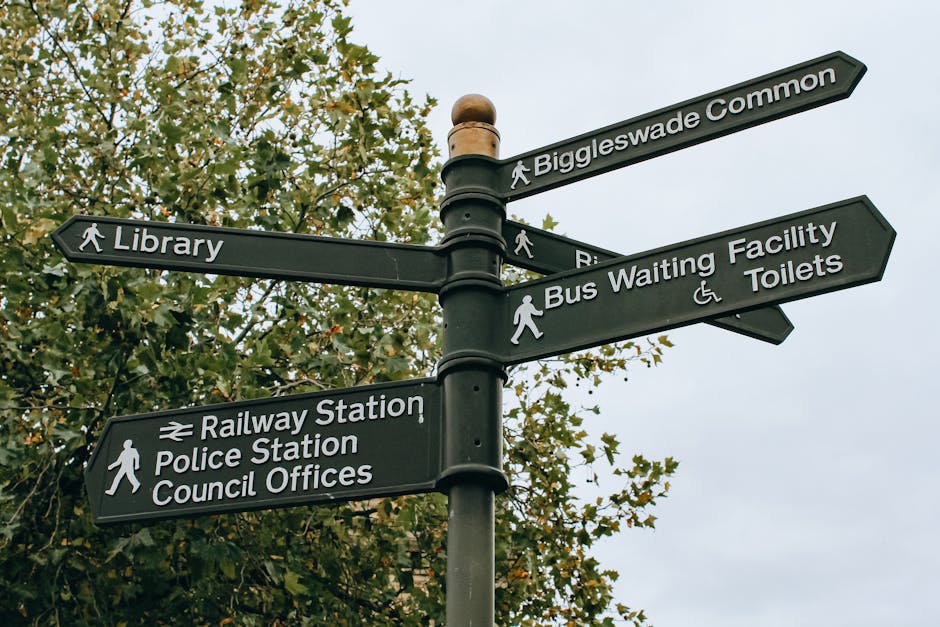
Removals near Sutton Station: best timing and parking tips
If you are planning removals near Sutton Station, the two things that usually make or break the day are timing and parking. Get those right, and the move feels calm and controlled. Get them wrong, and suddenly you are juggling traffic, narrow windows, a van that cannot stop where you need it, and boxes sitting on the pavement while everyone is trying to stay cheerful. Not ideal.
This guide gives you a practical, no-nonsense way to choose the best time for your move, work around station-area parking pressures, and keep the whole day moving. It is written for people moving home, flat, student rooms, or even small business premises near the station, with useful advice you can actually use. If you want to compare broader options while planning, you may also find our removals and home moves pages helpful later on.
In short: avoid peak congestion, secure access early, and build in more time than you think you need.
- Why timing and parking matter near Sutton Station
- How station-area removals work
- Key benefits and practical advantages
- Who this is for and when it makes sense
- Step-by-step guidance
- Expert tips for better results
- Common mistakes to avoid
- Tools, resources and recommendations
- Law, compliance, standards and best practice
- Options, methods and comparison table
- Case study or real-world example
- Practical checklist
- Conclusion
- Frequently asked questions
Why Removals near Sutton Station best timing and parking tips Matters
Station areas are busy by nature. Sutton Station brings together commuters, taxis, short-stay drop-offs, pedestrians with luggage, buses, deliveries, and local traffic all in a fairly compact space. That means a removal lorry, van, or even a man and van setup has to work around real-world friction. There is less room for error than in a quieter residential street.
Timing matters because moving vehicles need space, and space is usually the first thing to disappear near transport hubs. If your crew arrives during school run traffic, late-morning commuter flow, or the rush around the station entrances, you can lose valuable time just waiting for the kerb to clear. Parking matters for the same reason. A vehicle that is technically nearby but awkwardly placed can slow everything down: furniture hand-carries become longer, heavier, and a bit more tiring than they should be.
To be fair, most moving problems near stations are not dramatic. They are the small things. A van arriving ten minutes late. A loading bay already occupied. A lift that is fine, but the route from the building to the vehicle is longer than expected. One delay leads to another. That is why planning the timing and parking properly is less about perfection and more about avoiding avoidable stress.
For people arranging flat removals, student removals, or a straightforward domestic move, the station environment can turn an easy-looking job into a careful logistical puzzle. If you move at the right time, the day usually feels noticeably smoother. You will notice it in the little things: fewer awkward pauses, quicker loading, less shouting across the pavement, less of that slightly frantic look everyone gets when a vehicle is blocking the wrong bit of road. Not glamorous, but very real.
How Removals near Sutton Station best timing and parking tips Works
The basic idea is simple: plan your move around traffic patterns, access constraints, and building rules, then reserve enough time to load and unload without pressure. In practice, that means thinking about three phases.
1. The arrival window
This is when your vehicle reaches the area. Near Sutton Station, an early arrival can be useful if the roads are clearer, but too early can create its own problem if your building is not ready or if you cannot legally stop where you need to. The sweet spot is usually a window that avoids the busiest commuter movement while still giving you time to set up.
2. The loading position
The best parking position is the one that gives the shortest safe carrying distance from the property to the vehicle. That sounds obvious, but people often focus on simply finding any space. The better question is: where can the van stop without causing a problem and still keep the job efficient? A slightly legal but awkward spot can cost more time than a slightly later arrival with a proper loading plan.
3. The building handover
Once the vehicle is parked, the move depends on how quickly you can get items out, through doors, down stairs or lifts, and into the van. Near stations, this phase is where parking decisions really show their value. If the vehicle is close and access is clear, you avoid bottlenecks. If it is not, every box becomes a little more tiring.
For bigger jobs, many people choose a man and van style service or a dedicated removal van because it can be easier to position and manoeuvre near tighter streets. For larger house or business moves, a moving truck may still be right, but it needs a more careful access plan. Different tools, different pressure points.
Key Benefits and Practical Advantages
Good timing and parking do more than reduce stress. They can improve almost every part of the move.
- Less wasted time: fewer delays waiting for traffic to thin out or for a space to open up.
- Lower physical strain: shorter carrying distances make a real difference, especially with heavier furniture.
- Better protection for belongings: fewer handovers and less awkward manoeuvring around the kerb mean less chance of knocks.
- More predictable costs: time overruns often increase moving pressure, particularly if you are working to a booking slot.
- Less disruption to neighbours: quieter, faster loading usually means fewer complaints from nearby residents or businesses.
- Cleaner coordination: it is easier to manage helpers, keys, lift access, and final checks when the vehicle is properly positioned.
That last one is underrated. If you have ever moved with three people saying "just one more box" while another person is trying to hold a lift door open, you will know how quickly a small access issue becomes a social issue. A better parking plan keeps everyone calmer. Honestly, that alone is worth the effort.
For commercial or mixed-use properties, careful timing can also help you avoid interference with deliveries, client traffic, or reception access. If your move includes desks, stock, or equipment, consider looking at office removals or broader commercial moves support where coordination matters just as much as lifting.
Who This Is For and When It Makes Sense
This topic is most useful if your move involves any of the following:
- a flat or maisonette near Sutton Station
- a home on a road with limited stopping space
- student accommodation with tight turnarounds
- an office or clinic that needs to keep disruption low
- a same-day move where timing flexibility is limited
- heavy or bulky items that need a short, clear route to the vehicle
It is also especially useful if you are moving in winter or during a rainy spell. Wet pavements, early dusk, and heavier coats make simple tasks feel less simple. Not a disaster, just something to respect. If the move includes fragile or awkward items, consider whether you need packing and boxes support, or even packing and unpacking services so you are not trying to seal boxes at the last minute while the van waits outside.
This is also the kind of planning that suits anyone comparing full-service help against a smaller vehicle-based move. Some people only need a simple pickup. Others need a bit more structure, especially if the property sits close to the station approach roads. There is no prize for making it harder than it needs to be.
Step-by-Step Guidance
Step 1: Check your access before moving day
Walk the route from the front door to the road and look at what could slow you down: steps, narrow hallways, shared entrances, tight corners, lift access, low trees, or parked cars. It sounds basic, but it prevents surprises. A five-minute walk-through often saves an hour later.
Step 2: Choose a time that avoids obvious congestion
In a station area, it is usually wise to avoid the busiest commuter periods where possible. Mid-morning after the main rush, or early afternoon on a quieter weekday, often works better than peak travel times. If your building has restrictions or you need access for an office move, the exact slot may depend on the property and surrounding traffic patterns. Local common sense matters here more than a rigid rule.
Step 3: Match the vehicle to the job
If you are moving a small flat or a few rooms, a man with van or man with a van arrangement may be ideal because it is flexible and easier to place near tighter roads. For larger loads, a bigger vehicle may be more efficient, especially if you are trying to avoid multiple trips. The right choice depends on volume, access, and how much furniture you have, not just on price alone.
Step 4: Protect parking and loading time
Do not leave parking to chance. If there is a driveway, loading area, or building forecourt available, confirm whether it is actually usable on the day. If not, plan for the nearest legal stopping point and be realistic about walking distance. If you are using a multi-storey or long-stay parking option, factor in the extra time it takes to get the vehicle in and out. That little delay can snowball.
Step 5: Stage your items before the vehicle arrives
Have boxes labelled, soft items grouped, and bulky furniture disassembled if possible. The less time spent in the vehicle's loading phase, the better. Your movers should be carrying, not waiting around while someone looks for the kettle or the right screwdriver.
Step 6: Keep a small "first off" box aside
Keep essentials separate: phone chargers, documents, kettle, toiletries, tea bags, and keys. A tiny box with the things you will need first can make the first hour in the new place feel far more settled. It is a small thing, but it matters.
Step 7: Build in a margin
Even well-planned moves hit a snag now and then. Lift delays, access issues, roadworks, weather, or an awkward wardrobe can all change the pace. Give yourself a little margin so one hiccup does not throw the whole day off balance.
Expert Tips for Better Results
Here are the practical tips that tend to make the biggest difference near Sutton Station.
- Visit the location at the same time of day as the move: traffic and parking can feel very different at 8:00 a.m. compared with 1:00 p.m.
- Keep the lift booked if your building offers one: shared access is often the hidden bottleneck.
- Use furniture protection early: wrapping a sofa before the van arrives is far easier than doing it on the pavement.
- Label by destination room: it speeds up unloading and reduces back-and-forth.
- Speak to neighbours if needed: a brief heads-up can avoid friction if a vehicle has to pause outside.
- Have cashless payment ready if your provider uses it: it keeps the handover simple at the end of a tiring day.
One more thing that people sometimes overlook: weather. Even a light drizzle changes how you move boxes. Cardboard gets soft, floors get slick, and every pause feels colder. If rain is likely, keep waterproof covers and towels nearby. Nothing dramatic. Just practical.
If your move involves delicate items like upright instruments or awkward, high-value furniture, specialist handling may be sensible. In that case, services such as piano removals or furniture removals can be a better fit than trying to manage everything in one generic load. It is not about being fancy; it is about reducing risk.
Common Mistakes to Avoid
These are the ones we see most often, and they are frustrating because they are so avoidable.
- Arriving during the busiest traffic window. It sounds efficient until everyone else has the same idea.
- Assuming parking will just work out. Near a station, that approach can go sideways quickly.
- Underestimating carry distance. Fifty metres in your head feels shorter than fifty metres carrying a washing basket.
- Not telling the building about the move. Some blocks need notice for lifts, access, or bay use.
- Packing too late. The last hour before collection should be calm, not chaotic.
- Choosing the wrong vehicle size. Too small means more trips; too large can mean access stress.
- Forgetting to reserve unloading space at the new address. The move does not end when the van pulls away from the old place.
Another subtle mistake is trying to squeeze a complicated move into a very short slot just because it looks cheaper on paper. Sometimes it is, yes. But if the job needs breathing room, paying for the right amount of time is often the cheaper decision in the end. A bit of honesty with yourself goes a long way.
Tools, Resources and Recommendations
You do not need a complex toolkit, but you do need the right basics.
| Item | Why it helps | When to use it |
|---|---|---|
| Floor plan or quick sketch | Helps plan routes and furniture placement | Before booking and on move day |
| Labelled boxes | Speeds up unloading and reduces confusion | Packing stage |
| Furniture blankets | Protects wood, corners, and upholstery | Loading and transport |
| Straps or ties | Secures items in transit | In the vehicle |
| Phone battery pack | Keeps communication open all day | Move day |
| Basic toolkit | Useful for beds, tables, and small fittings | Before and after loading |
For many household moves, support from house removals or house removalists can reduce pressure because the team is already used to working around access constraints, awkward angles, and tight schedules. If you are comparing providers, the page on pricing and quotes is worth a look alongside your planning notes.
And if you need somewhere to keep items while access is being sorted or completion timing is uncertain, storage can be a practical bridge. That is especially useful if your moving day and key handover do not quite line up. Happens more often than people expect.
Law, Compliance, Standards, or Best Practice
This kind of move does not usually involve complicated legal issues, but there are still sensible standards to follow. In the UK, the main practical expectation is that vehicles stop and park legally, access paths remain safe, and loading is carried out without blocking or endangering others. If you are using shared residential streets, the correct approach is to avoid causing obstruction and to respect any site-specific instructions from the building or managing agent.
Good movers also follow ordinary health and safety practice. That means reducing lifting strain, using suitable equipment, keeping walkways clear, and protecting walls, floors, and door frames. If you want reassurance on how a provider approaches this, the company's health and safety policy and insurance and safety information are useful places to start.
If you are moving in a managed property, check the building's own rules too. Some sites require notice for loading bay use, lift reservations, or specific arrival windows. That is not red tape for the sake of it; it is there to keep things orderly. A quick check beforehand can save a very awkward conversation on the day.
For business customers, compliance also means protecting staff, customers, and assets during the move. A well-run office move or equipment transfer should keep routes clear and avoid unnecessary disruption. Nothing glamorous again, but that is the point: boring is good when you are moving desks.
Options, Methods, or Comparison Table
Different move types near Sutton Station suit different timing and parking strategies. Here is a simple comparison.
| Move type | Best timing approach | Parking priority | Best fit |
|---|---|---|---|
| Small flat move | Mid-morning or early afternoon | Short walking distance, easy turn-in | One or two rooms, lighter load |
| Family home move | Earlier start with more time buffer | Legal stopping point near entrance | More furniture, more coordination |
| Student move | Off-peak where possible | Fast access for short loading | Compact loads and quick turnarounds |
| Office move | Outside trading or commuter peaks | Delivery bay or reserved access if available | Desks, IT, files, business continuity |
| Same-day move | As early and as flexible as possible | Whatever space is safest and closest | Urgent or time-sensitive relocations |
There is no single "best" option for everyone. The right answer depends on what you are moving, how much of it there is, and how tight the access is. For urgent situations, same-day removals can be useful, but only if you are realistic about parking and timing from the start.
Case Study or Real-World Example
Imagine a two-bedroom flat near Sutton Station with a narrow street, shared entrance, and a lift that is sometimes occupied by neighbours doing their own errands. The owner wants to move on a weekday and has hired a small removal team. A rushed morning slot would probably mean more waiting, more competition for kerb space, and more tension.
Instead, the team arrives after the commuter rush has eased. Boxes are already staged in the hallway, the essentials box is separate, and the client has checked the entrance rules with the building. The van parks at the closest practical legal stop, even though it is not perfectly outside the door. The carry distance is manageable, the loading is steady, and the move finishes with less noise and less fuss.
The big lesson? The move was not magical. It was just well timed. The difference between a stressful move and a controlled one is often much smaller than people think. A better parking decision, a more realistic arrival window, and a bit of preparation. That is usually enough.
For people in similar situations, especially if there are a lot of boxes or shared access constraints, it can help to combine services rather than improvise on the day. A simple move supported by removal services and sensible packing support is often easier than a "we'll just see how it goes" plan. Let's face it, seeing how it goes is not a strategy.
Practical Checklist
Use this checklist a day or two before the move.
- Confirm your move date and arrival window
- Check station-area traffic patterns for your chosen time
- Make sure parking or loading access is legal and practical
- Notify your building or managing agent if required
- Measure large furniture and doorways
- Pack and label boxes by room
- Keep valuables and documents with you
- Prepare an essentials box
- Protect floors, corners, and furniture
- Charge phones and keep contact numbers handy
- Check whether storage might be needed
- Allow extra time for weather, lift delays, or road congestion
Quick expert summary: near Sutton Station, the safest approach is usually to move outside the busiest traffic peaks, secure the closest legal stopping point, and keep the hand-carry route as short and clear as possible. That combination saves time, reduces strain, and makes the day feel much more manageable.
If you are still comparing options or want to speak to a team about access, timings, and vehicle choice, take a look at about us and then use the site's contact us page to ask about the practical details that matter most on your street.
Conclusion
Removals near Sutton Station do not need to be stressful, but they do reward careful timing and thoughtful parking. The station area adds movement, pressure, and a little unpredictability, yet most of that can be handled with good planning. Choose a calmer time slot, think through where the vehicle will actually stop, and stage your belongings so the loading phase stays efficient.
The real trick is not trying to force a perfect move. It is making a sensible one. One where the van is where it needs to be, the boxes are ready, and nobody is standing around wondering why the loading bay disappeared under their feet. Small improvements, big difference.
Get a free quote today and see how much you can save.
And if you are moving near Sutton Station this season, take your time with the plan. A calm move has a way of making the new place feel like home a little faster.
Frequently Asked Questions
What is the best time of day for removals near Sutton Station?
In most cases, mid-morning after the initial commuter rush or early afternoon works better than peak travel times. The best slot depends on traffic, your building's access rules, and whether you need a loading bay or roadside stop.
Should I avoid moving on weekdays near Sutton Station?
Not necessarily. Weekdays can be fine if you avoid busy commuting periods. In fact, some weekday slots are easier than weekends because building access, parking, or lifting help can be more predictable.
How important is parking for a station-area move?
Very important. Parking affects how far furniture has to be carried, how long the job takes, and how much strain is put on everyone involved. A good parking position can save far more time than people expect.
Can a man and van service work well near Sutton Station?
Yes, especially for flats, student moves, or smaller loads. A man and van or similar setup can be easier to position in tighter streets than a larger vehicle.
What if I cannot park directly outside the property?
That is common near busy areas. The key is to find the closest legal and safe stopping point, then allow extra time for the carry distance. It is better to plan for a slightly longer walk than to risk an unsafe stop.
Do I need to book access or parking with my building?
Often, yes. Flats, managed blocks, and offices may require notice for lifts, bays, or loading access. Always check with the property manager or landlord rather than assuming the space will be free.
How far in advance should I arrange my removal?
As early as you can, especially if you need a specific slot. Early booking gives you more flexibility with timing and vehicle choice, and it helps if you need extras like packing support or storage.
What items are best kept with me rather than on the van?
Keep valuables, documents, keys, medication, chargers, and any essentials you will need on arrival. A small first-night box is also helpful, particularly if you are moving late in the day.
Is storage useful if my move timing is uncertain?
Yes. If completion times or access windows are not lining up neatly, storage can give you breathing room. It is especially helpful when you are moving out before the new place is fully ready.
How do I know whether I need a larger vehicle?
If you have bulky furniture, multiple rooms of belongings, or awkward items, a larger vehicle may be more efficient. If the load is smaller or the access is tight, a van-based move may be the better fit.
What should I ask a removal company before booking near Sutton Station?
Ask about timing, parking assumptions, vehicle size, access needs, insurance, and whether they have experience with station-area moves. Those questions tell you far more than a simple headline price ever will.
Are same-day removals realistic near Sutton Station?
They can be, but only if the access and parking are workable. A last-minute move still needs a proper plan. If you are in a hurry, it helps to book a team that can make quick decisions and handle changes calmly, rather than rushing blindly.