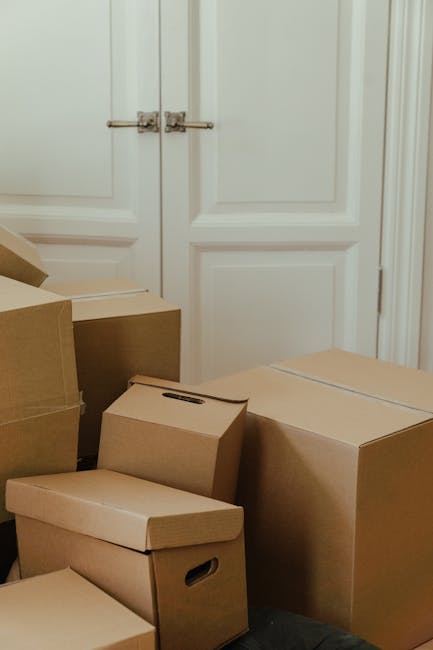
Cheam village flat removals: what to expect for moving day
If you're preparing for Cheam village flat removals what to expect for moving day, the big question is usually not "Can I move?" but "How messy is the day going to be?" Fair question. Flat moves in Cheam Village tend to come with a few predictable wrinkles: stairs, tighter parking, shared entrances, lift bookings, and neighbours who are very aware of any van blocking the road at 8:15 in the morning.
This guide walks you through the moving-day reality in plain English. You'll see what usually happens, what a good removals team should do, what you need to prepare, and where people most often get caught out. If you're comparing services, it also helps you understand the difference between a simple van move and a properly organised flat removal. And yes, we'll keep it practical, because moving day is busy enough already.
Why Cheam village flat removals what to expect for moving day Matters
Flat removals are not quite the same as house removals. In a village setting like Cheam, the details matter even more. You may be dealing with a narrow driveway, shared access, a second-floor walk-up, or a block where the lift is small and slow. None of that is unusual, but it does shape the day.
When people search for Cheam village flat removals what to expect for moving day, they are usually trying to avoid a stressful surprise. That's sensible. The difference between a calm move and a chaotic one often comes down to planning the little things: where the van can stop, how boxes are labelled, who is handling fragile items, and whether parking has been thought through in advance.
There's also the timing side. Flat moves often need tighter coordination with landlords, managing agents, or new-build move-in slots. If one side runs late, everything can feel compressed. You don't want to be standing in a hallway at lunchtime, staring at a sofa that still needs to come out. That scene happens more often than people expect.
In our experience, the best moving days are the ones where everyone knows the sequence before the first box is lifted. It sounds obvious. It isn't always done.
How Cheam village flat removals what to expect for moving day Works
A typical flat removal in Cheam Village starts before the van arrives. A well-prepared team will usually confirm access details, arrival time, item volume, and any awkward pieces such as wardrobes, large mattresses, glass tables, bikes, or white goods. If you've booked flat removals, the team should already have a sense of the load and the access conditions.
On the day itself, the process usually goes like this:
- The crew arrives and does a quick walk-through.
- They check which items are going first and what needs protection.
- Furniture is dismantled if needed, then wrapped or padded.
- Boxes are carried out in an organised sequence, usually room by room.
- The van is loaded with heavier items first and fragile items secured carefully.
- At the destination, items are unloaded and placed in the right rooms if that service was included.
That sounds straightforward, and mostly it is. But the difference between a smooth move and a clunky one often lies in the small habits: clear labels, sensible lifting routes, and not treating the hallway like a temporary storage cupboard. You'd be surprised how much time disappears when boxes are mixed from three rooms and no one can find the kettle.
Some moves are handled with a man with van arrangement, which can be fine for smaller loads. Others need a larger team or a dedicated moving truck for bulkier furniture and better protection. The right method depends on volume, access, and how much you want done for you. Simple enough, but not always obvious when you're looking at a hallway full of boxes.
Key Benefits and Practical Advantages
The main benefit of organised flat removals is not just speed. It's control. On moving day, control is worth its weight in cardboard.
Here are the advantages people usually notice first:
- Less lifting stress: a proper removals team handles the heavy items, which matters a lot in flats with stairs or awkward corners.
- Better protection for furniture: items are wrapped, padded, and loaded with a bit more care than a rushed self-move.
- Faster turnaround: experienced crews tend to work in a clear order, which keeps the day moving.
- Lower risk of damage: doors, walls, bannisters, and furniture are less likely to get knocked about when the route is planned.
- Less mental load: you can focus on keys, utilities, and final checks instead of trying to improvise every five minutes.
There's also a quiet benefit people rarely mention: the move tends to feel more professional. That can be a relief, especially if you're dealing with tenants, landlords, or building management. Nobody loves the sound of dragging a wardrobe across a hallway at 7am. Nobody.
If you're also moving items that don't fit neatly into a standard flat move, you may want to consider furniture removals for awkward pieces or packing and unpacking services if time is already tight. These extras can make a surprisingly large difference when the move itself is only one part of a much bigger day.
Who This Is For and When It Makes Sense
This kind of service makes sense for a wide range of people, but especially if any of the following apply:
- You're moving from a flat with stairs or limited lift access.
- You have a one- or two-bedroom property with standard furniture and boxes, and you want a more organised move.
- You're on a deadline, perhaps a tenancy changeover or completion day.
- You own items that need careful handling, like mirrors, framed art, glass tables, or a piano.
- You'd rather not rely on friends, borrowed cars, and a heroic amount of optimism.
It also makes sense if you're moving within Sutton or nearby areas and want a straightforward local service. A good local team usually understands the access quirks, parking pressure, and timing issues that crop up around village streets and residential blocks.
On the other hand, if you only have a handful of bags and one or two small items, a lighter option might be enough. If you need only transport and loading help, a man and van can be a practical choice. If you're moving the contents of a bigger home as well as a flat, then the broader approach of home moves may be the better fit.
Step-by-Step Guidance
Let's break the day down in a way that feels usable, not theoretical. If you know the sequence, you can breathe a bit easier.
1. Confirm access details before moving day
Check door codes, lift booking slots, parking arrangements, and any restrictions on the road outside. In a place like Cheam Village, that matters more than people think. A van parked in the wrong spot can slow everything down before the first box moves.
2. Finish packing the night before
Try to have loose items boxed and labelled before the crew arrives. Put essentials in one clearly marked bag: chargers, toiletries, important documents, snacks, pet supplies, and a kettle if you're being honest with yourself about what makes a day bearable.
3. Separate fragile and high-value items
Keep passports, jewellery, laptops, and sentimental items with you unless you've agreed otherwise. For fragile pieces, use extra wrapping and clear labels. "Fragile" written once in tiny handwriting is not enough. Be a bit over the top if needed.
4. Clear the route
Hallways, balconies, and entryways should be free of trip hazards. Remove loose mats, coat racks, shoes, and anything that might catch on a box or trolley. The move goes much smoother when the path is obvious.
5. Do a final property check
Look in cupboards, behind doors, above shelves, and inside meter cupboards. People leave surprising things behind: charging cables, cleaning products, a bottle of olive oil, even the last mug. It happens all the time.
6. Supervise the load, but don't hover
Give useful direction if asked, then let the team work. Good movers prefer clarity over constant instruction. A quick note about fragile items or a difficult sofa is helpful. Following every box with commentary is less helpful, to be fair.
7. Check the new flat room by room
Once items are unloaded, inspect for missing boxes, visible damage, or anything that needs moving to another room. If you've ordered packing help, this is the point where labels should earn their keep.
If your move is especially time-sensitive, you might also compare same-day removals against a standard booked slot. That kind of service is not for every move, but for certain last-minute situations it can be a genuine lifesaver.
Expert Tips for Better Results
A few small decisions can make the whole day feel easier. Not perfect. Easier.
- Book parking early if needed: if the van cannot stop close to the entrance, expect extra carrying time and more fatigue.
- Label boxes by room and priority: "kitchen," "bedroom," and "open first" are much more useful than vague labels like "stuff."
- Keep one box for first-night essentials: toothpaste, phone charger, toilet roll, medication, tea bags. The humble essentials box can save the evening.
- Protect corners and bannisters: in tight flats, furniture corners tend to do the most damage.
- Measure awkward items: sofas, beds, and wardrobes can turn a simple move into a puzzle if the stairwell is narrow.
- Tell the movers about restrictions early: low ceilings, awkward turns, timed access, fragile flooring, or shared entrances should be mentioned upfront.
One practical tip that often gets overlooked: if you're moving from a furnished or partly furnished flat, take photos of your biggest items before the move. It helps if there's any later discussion about condition, and it only takes a minute.
And yes, make tea. Proper tea. It sounds silly. It really helps.
Common Mistakes to Avoid
Most moving-day problems are not dramatic disasters. They are small oversights that snowball. Here's what trips people up most often:
- Underestimating access issues: a flat that seems "easy enough" can still involve stairs, shared entrances, or parking pressure.
- Packing too late: if you are still taping boxes while the van is outside, the day becomes a scramble.
- Mixing everything together: kitchen items, books, cables, and clothing in one box make unpacking slower and more frustrating.
- Forgetting building rules: some blocks have restrictions on lift use, moving hours, or protective coverings.
- Leaving essentials in the van: the one thing you need first often ends up at the very back.
- Not checking insurance cover: it is wise to understand what is included before anything is loaded.
Another common one: people think "it's just a flat" so the move will be quick by default. Sometimes it is. Sometimes not. A second-floor flat with a narrow staircase and a heavy sofa can take more planning than a larger home with easier access.
Tools, Resources and Recommendations
You do not need a mountain of equipment for a flat move, but a few practical tools make life much simpler. The usual essentials include:
- strong cardboard boxes in mixed sizes
- packing tape and a dispenser
- marker pens for clear labelling
- bubble wrap or paper for breakables
- blankets or furniture covers
- zip bags for screws, plugs, and small fittings
- a basic toolkit for dismantling beds or shelves
- gloves and a torch, just in case
If you want help with the packing stage, packing and boxes can save a lot of last-minute panic. For very heavy or awkward household pieces, furniture pick-up may be useful if you are clearing items before or after the move. And if you are not sure where to put everything between properties, storage can bridge the gap when completion dates do not line up neatly.
If you are also comparing transport sizes, the difference between a removal van, a larger truck, and a smaller one-off hire option can be more important than you think. Bigger is not automatically better, but too small is a headache. There's a sweet spot.
Law, Compliance, Standards, or Best Practice
For most flat removals, the main compliance points are practical rather than complicated. You will usually want to check:
- Access permissions: whether you need to book lifts, notify building management, or use service entrances.
- Parking restrictions: local restrictions can affect where a van may stop, even for loading and unloading.
- Insurance: ask what cover applies for loading, transit, and handling of furniture.
- Health and safety: good movers should follow safe lifting practices and use suitable equipment where needed.
- Payment and terms: know what is included in the quote and whether any extras may apply.
These are not glamorous topics, but they matter. A reputable provider should be comfortable discussing them clearly, and their policies should be easy to understand. If something feels vague, ask. Better to spend five minutes clarifying than five hours dealing with avoidable confusion.
You can also review pages such as insurance and safety, health and safety policy, and payment and security to get a feel for how a provider handles the basics. That kind of transparency is a good sign. So is a clear terms and conditions page that tells you what to expect.
Options, Methods, or Comparison Table
Different flat moves call for different approaches. There is no single perfect setup. The best choice depends on volume, access, budget, and how hands-on you want to be.
| Option | Best for | Pros | Watch-outs |
|---|---|---|---|
| Man and van | Smaller flat moves, lighter loads, short distances | Flexible, often cost-effective, good for quick relocations | May be less suitable for large or complex loads |
| Flat removal service | Typical one- to two-bedroom flats, stair access, more furniture | More organised, better handling of furniture, less stress | Needs accurate details about access and item volume |
| Full packing and removals | Busy households, time-poor movers, fragile items | Saves time, reduces packing pressure, often smoother on the day | Costs more than transport-only options |
| Storage plus move | Gaps between properties, downsizing, staggered completion dates | Flexible timing, useful for awkward chains | Requires extra planning and tracking of items |
For some readers, the right answer is a lighter solution like removal services with transport only. For others, especially when the flat has awkward access or a heavier furniture load, a more complete setup makes life calmer. If you are moving out of a rental and need the job done quickly, house removalists may still be relevant if you are dealing with a bigger mixed household move rather than a simple flat clearance.
Case Study or Real-World Example
Here's a realistic example from the kind of move people in Cheam Village often face. A couple was leaving a second-floor flat with a tight communal stairwell and moving into a nearby home just a few streets away. Nothing dramatic. But the flat had a heavy wardrobe, a bed frame that needed dismantling, and a narrow parking space outside the building.
They booked a service that could handle both loading and transport, then spent the evening before packing the final kitchen items and labelling boxes by room. On the morning, the crew checked the route, wrapped the wardrobe doors, and moved the heavier furniture first. Because the lift was not available, the stairs were protected and the carrying route was kept clear. The whole move stayed steady rather than frantic.
Their biggest relief? The essentials box. Kettle, mugs, phone chargers, medication, and toilet roll all in one place. That tiny box probably saved the first evening. Truth be told, it often does.
What made the difference was not magic or brute force. It was preparation, clear communication, and choosing the right type of support for a flat rather than pretending the move would sort itself out. A very human mistake, that one.
Practical Checklist
Use this simple checklist in the final 48 hours before moving day.
- Confirm moving time and arrival window
- Check parking and access for the van
- Notify building management if required
- Pack all non-essential items
- Label boxes by room and priority
- Set aside valuables and documents
- Disconnect appliances if needed
- Empty and clean fridges, freezers, and cupboards
- Disassemble furniture where practical
- Protect floors, corners, and fragile surfaces
- Prepare an essentials bag for the first night
- Do a final walk-through of the flat
- Keep keys, meter readings, and paperwork accessible
Quick takeaway: the calmer your preparation, the less the move will feel like a scramble. Flat removals in Cheam Village are usually very manageable when the access is clear, the boxes are labelled, and the moving team knows exactly what they are dealing with.
Conclusion
Cheam Village flat removals do not need to be stressful, but they do reward good planning. If you understand the access issues, pack with a bit of structure, and choose the right service level, moving day becomes far more predictable. That means fewer surprises, fewer delays, and fewer moments where someone is standing in the doorway wondering where the screwdriver has gone.
Whether you are moving a compact studio, a rented flat, or a larger apartment with awkward furniture, the key is to match the service to the property and the workload. Get the basics right and the day feels much lighter. Almost civilized, even.
If you're comparing options now, take a careful look at your access, your furniture, and how much help you really want on the day. Then choose the approach that gives you the smoothest start in your new place.
Get a free quote today and see how much you can save.
Frequently Asked Questions
How early should I book Cheam Village flat removals?
As early as you can, especially if you need a specific move date, have awkward access, or are moving at the end of the month. Good time slots go quickly, and a little lead time gives you room to sort parking, packing, and any building rules.
What should I expect on moving day for a flat removal?
Expect a short assessment on arrival, careful loading, and a fairly structured sequence from room to van to new property. The team should manage heavy items, protect furniture where needed, and keep the day moving without constant backtracking.
Do I need to be packed before the movers arrive?
Ideally, yes. Loose items should already be boxed, and only essentials should be left out. If packing is still happening while the crew is there, everything takes longer and the whole day feels more rushed.
How do movers handle stairs in a flat?
Experienced movers usually plan the route first, then carry items in a safe sequence and use padding or protective covers where sensible. If the staircase is narrow, they may dismantle larger furniture first. That is very normal.
Is a man and van enough for a flat move?
Sometimes. If you have a small load, minimal furniture, and straightforward access, it can work well. If you have heavier furniture, a lot of boxes, or awkward access, a fuller flat removal service is usually the safer choice.
What happens if parking is difficult near my flat?
That should be checked in advance. If the van cannot park close to the entrance, the move may take longer and the crew will have more carrying to do. Clear parking instructions make a bigger difference than most people expect.
Should I empty drawers before the move?
Yes, for most furniture. Empty drawers reduce weight and lower the risk of damage during lifting. Small exceptions may exist for sturdy items, but it is usually wiser to empty them and pack the contents separately.
How do I protect fragile items in a flat move?
Use proper wrapping, solid boxes, and clear labels. Keep especially valuable or sentimental items with you if possible. For glass, mirrors, and art, a bit of extra padding is worth it. No one enjoys hearing a soft crash halfway down a stairwell.
Can removals teams help with dismantling furniture?
Often, yes, if that service is included. Beds, wardrobes, and some shelving units are common examples. It is best to mention these items before moving day so the right tools and time can be planned.
What should I keep with me on moving day?
Keep keys, documents, phones, chargers, medication, valuables, and your first-night essentials bag with you. If you need something urgently, you do not want it buried under boxes marked "miscellaneous." That box is always trouble.
Are flat removals suitable for rental properties?
Yes, very much so. In fact, flat removals are often ideal for rentals because they help you move out efficiently, avoid damage, and keep the property transition smoother. Good planning can also help with final inspections and key handover timing.
What if my moving dates change at the last minute?
Tell the removals company as soon as possible. Some moves can be rearranged, while others may need a different slot or service type. The more notice you give, the easier it is to adapt without extra stress.